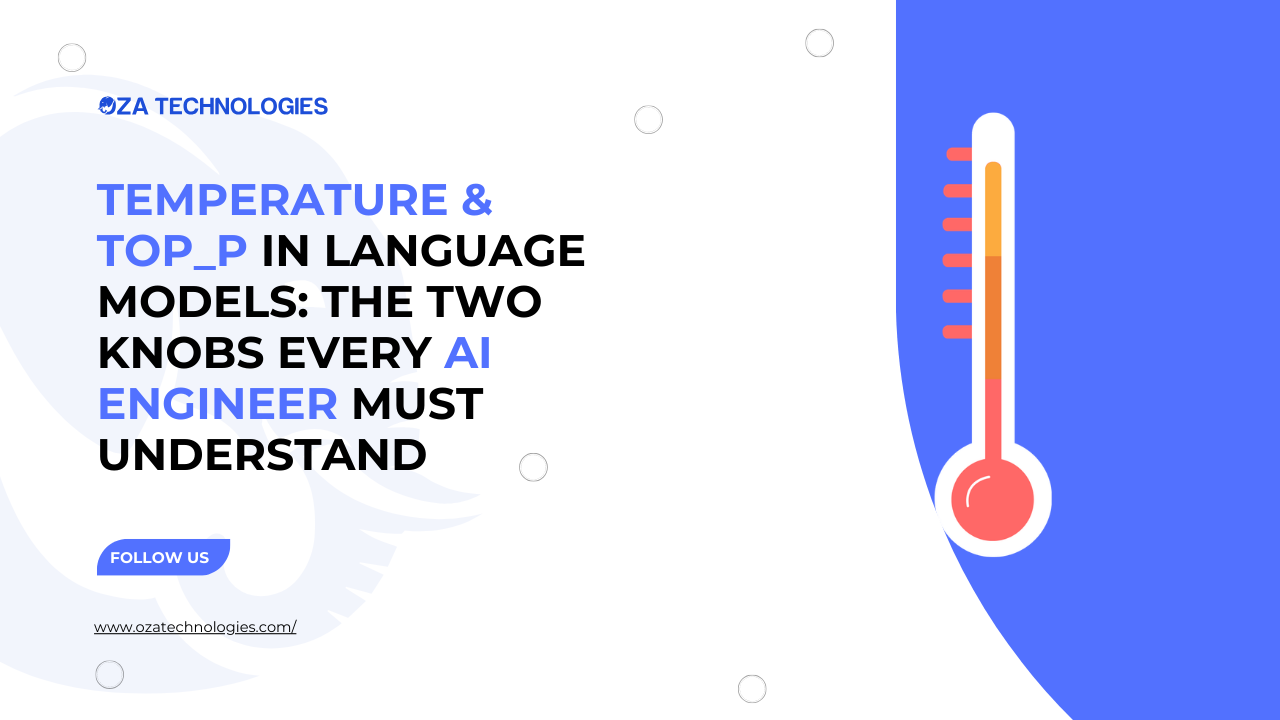
Temperature & Top_p in Language Models: The Two Knobs Every AI Engineer Must Understand
You can write perfect prompts and still get bad outputs — if you don't understand these two parameters.

The rise of AI agents has shifted how we build software. Instead of just APIs, we now design context-aware systems that can communicate intelligently with LLMs.

You can write perfect prompts and still get bad outputs — if you don't understand these two parameters.

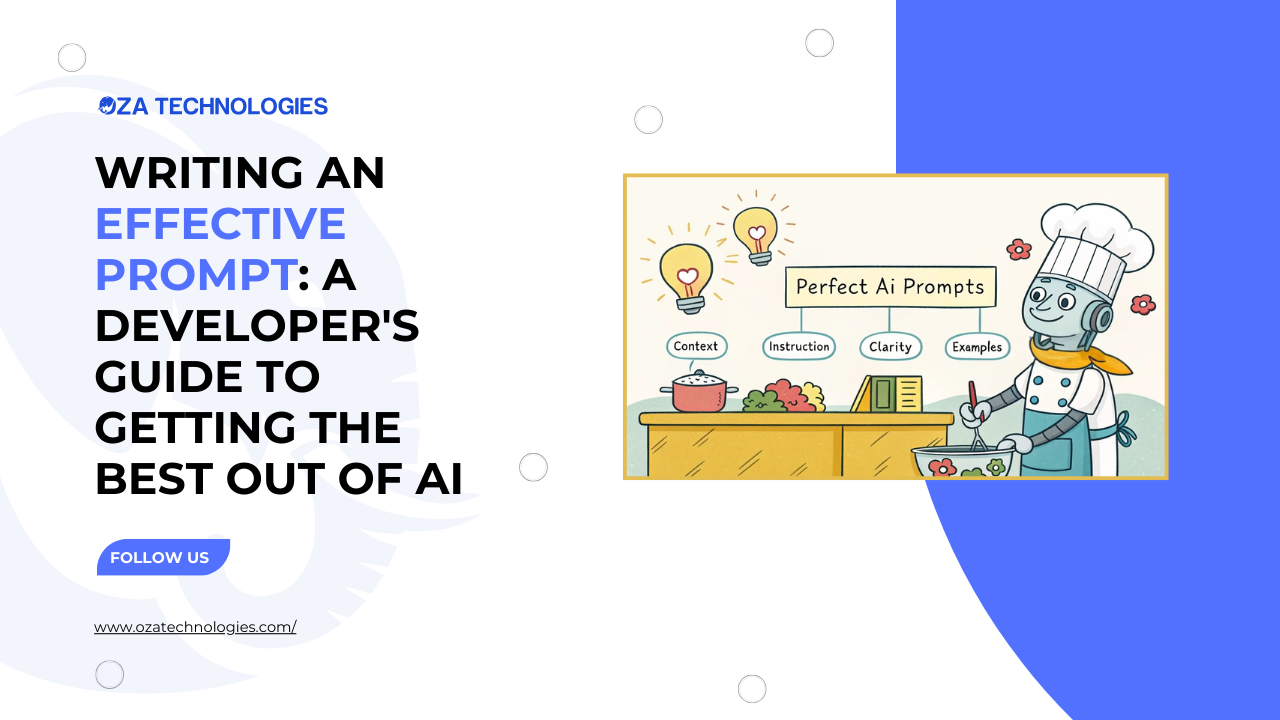
If you've been treating AI prompts like Google search queries, you're leaving 80% of the value on the table.

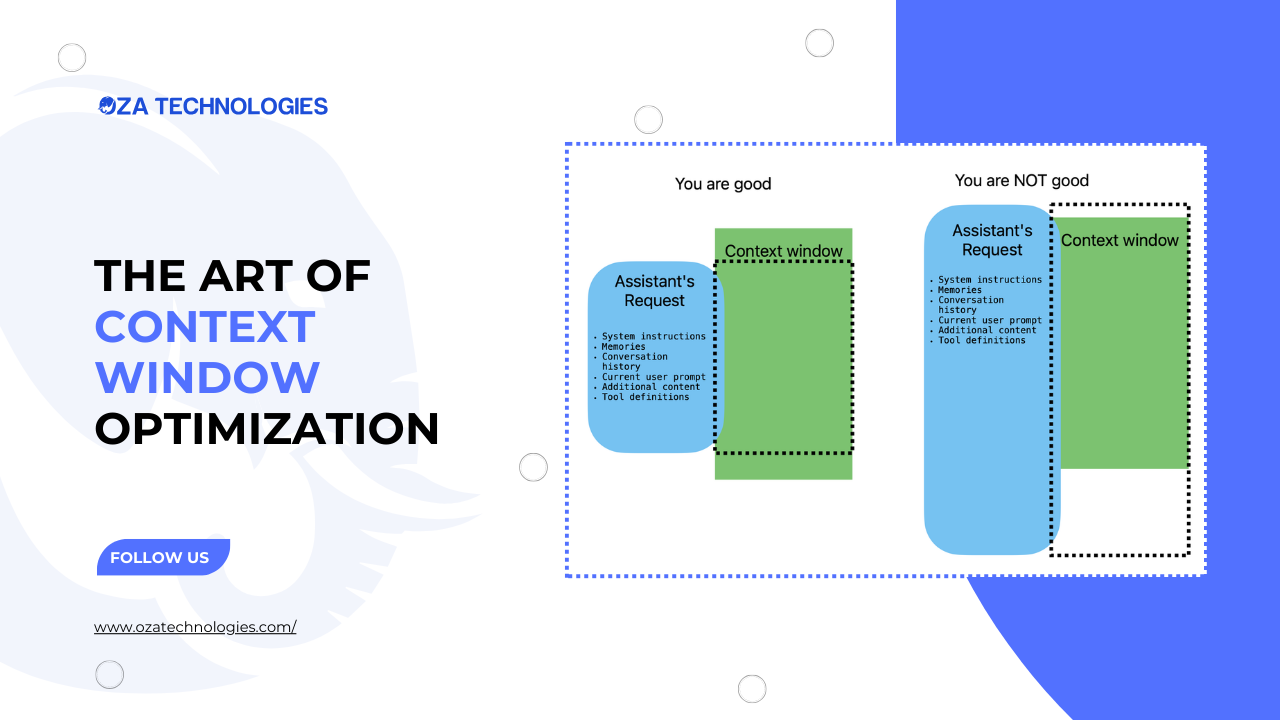
You're in a conversation with an AI. You ask it a question. It gives you a mediocre answer. So you paste in more information, more examples, more context. Then another 200 characters. Then a whole code file. And somehow... the answer gets worse, not better.

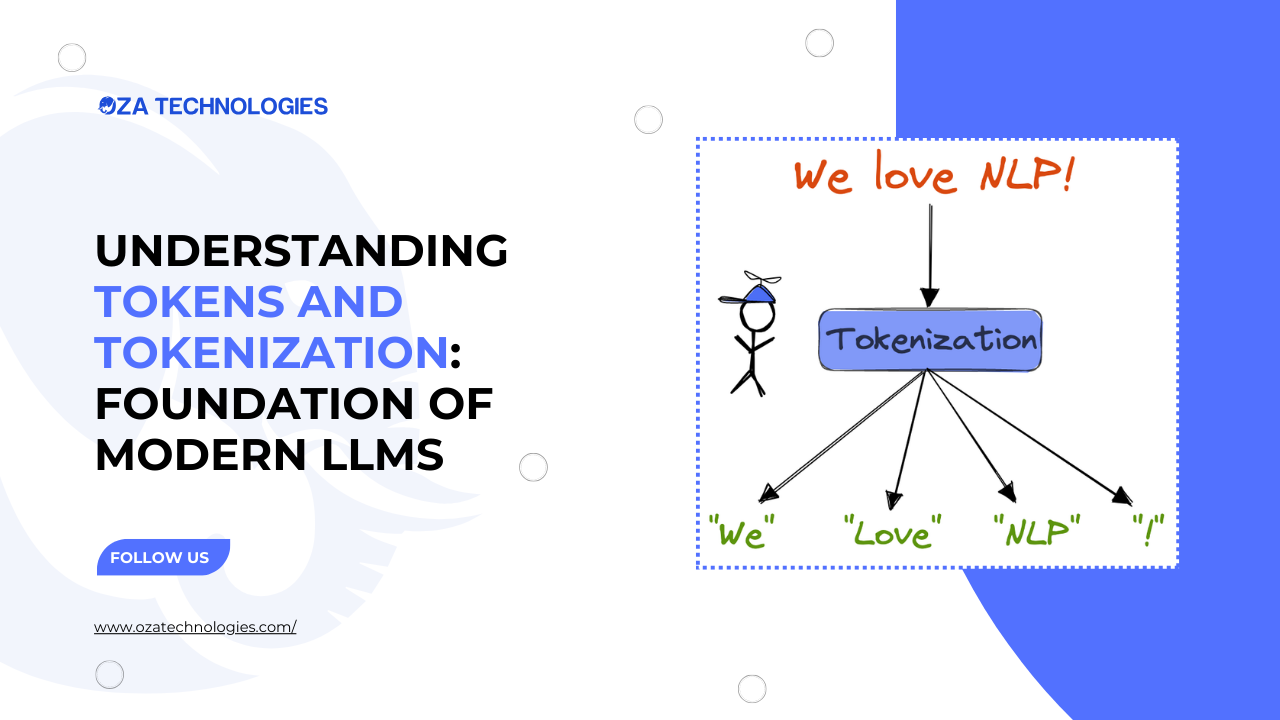
When you interact with ChatGPT, Claude, or any other large language model, there's a fundamental process happening behind the scenes that most users never think about: tokenization. Understanding this concept isn't just academic—it directly impacts your API costs, prompt design, and how effectively you can leverage AI in your applications.

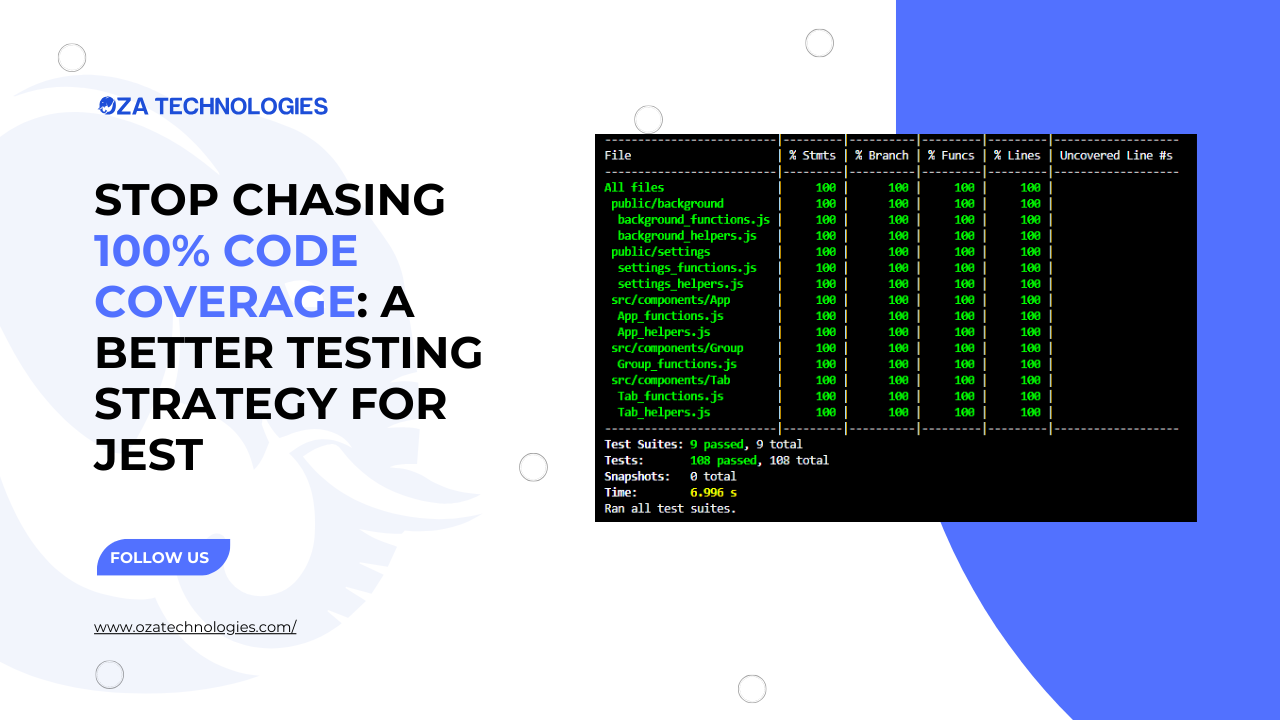
As engineering leaders and developers, we've all been there—staring at a coverage report showing 98% and feeling that nagging urge to squeeze out those last two percentage points. But here's the uncomfortable truth: 100% code coverage doesn't guarantee 100% bug-free code.

When building end-to-end test automation, one of the biggest challenges teams face is the communication gap between technical and non-technical stakeholders. Product managers, QA analysts, and developers often struggle to speak the same language when discussing test scenarios. This is where Gherkin feature files come in.

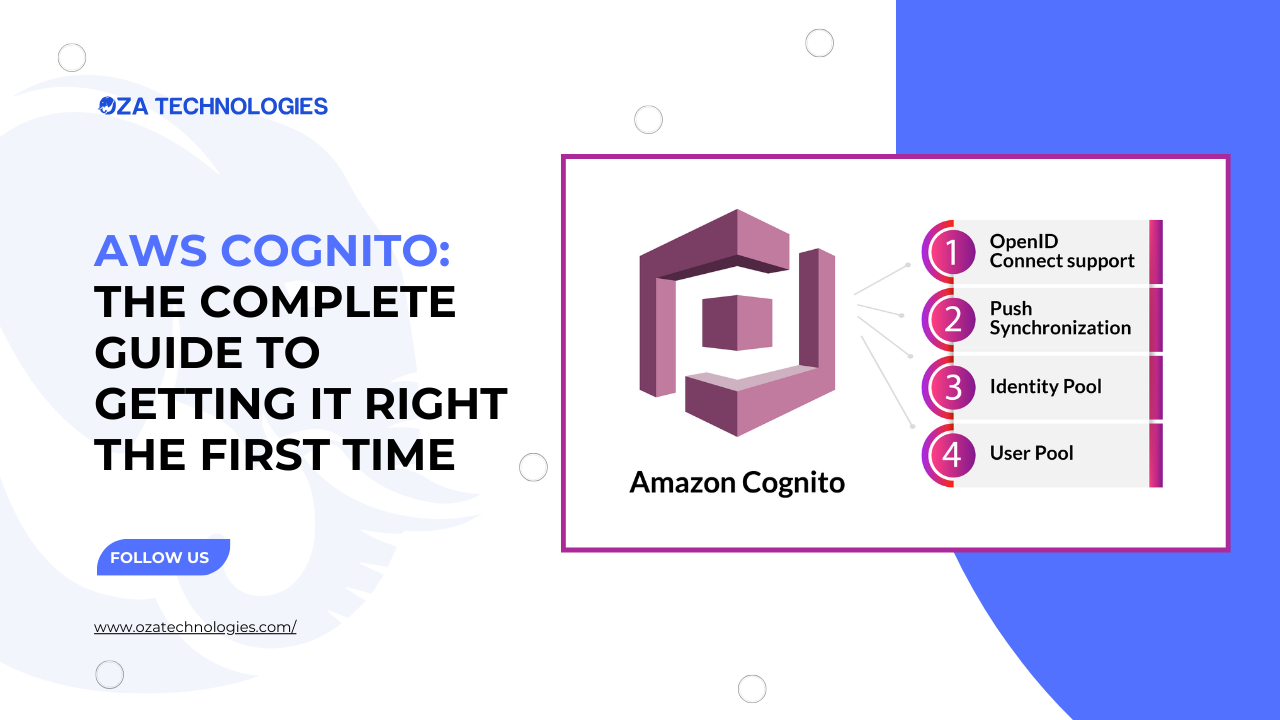
AWS Cognito is a fully managed authentication, authorization, and user management service. It handles user sign-up, sign-in, account recovery, and access control without requiring you to build or maintain authentication infrastructure.

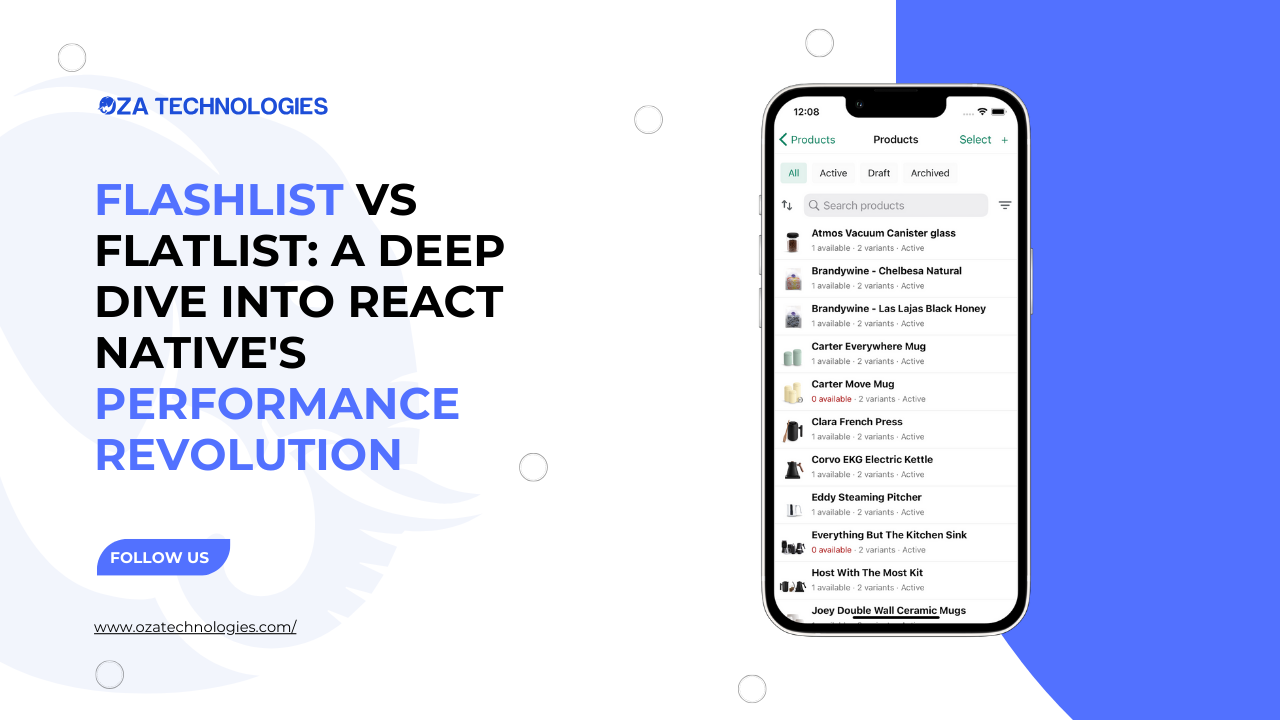
If you're building React Native applications with lengthy scrollable lists, you've likely encountered performance bottlenecks. Shopify's FlashList emerged as a solution to these challenges, promising up to 10x better performance than the traditional FlatList. Let's explore what makes FlashList different and when you should adopt it in your projects.

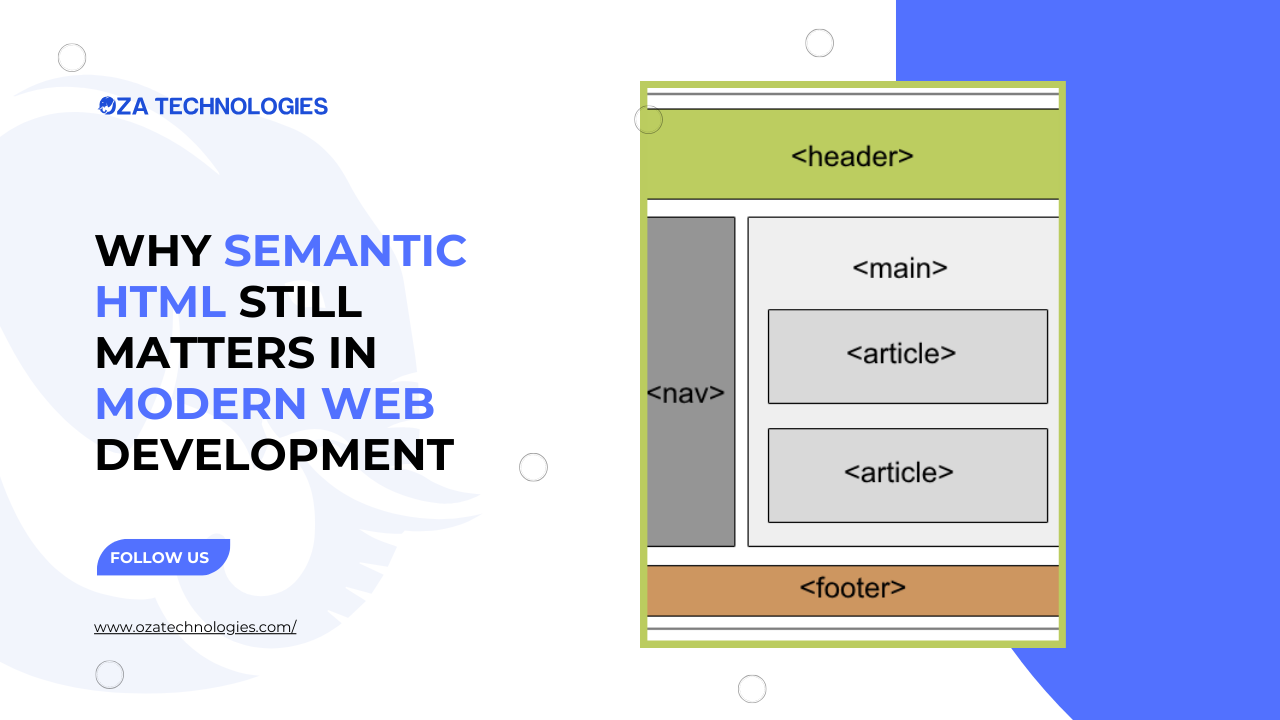
Semantic HTML is one of those fundamentals that pays dividends across your entire stack, from SEO to accessibility to long-term maintainability. Let me break down why it deserves your attention, even when deadlines are tight.

Animations can make or break user experience. They guide attention, provide feedback, and make interfaces feel responsive and alive. But let's be honest—implementing smooth, performant animations in React has traditionally been a pain.

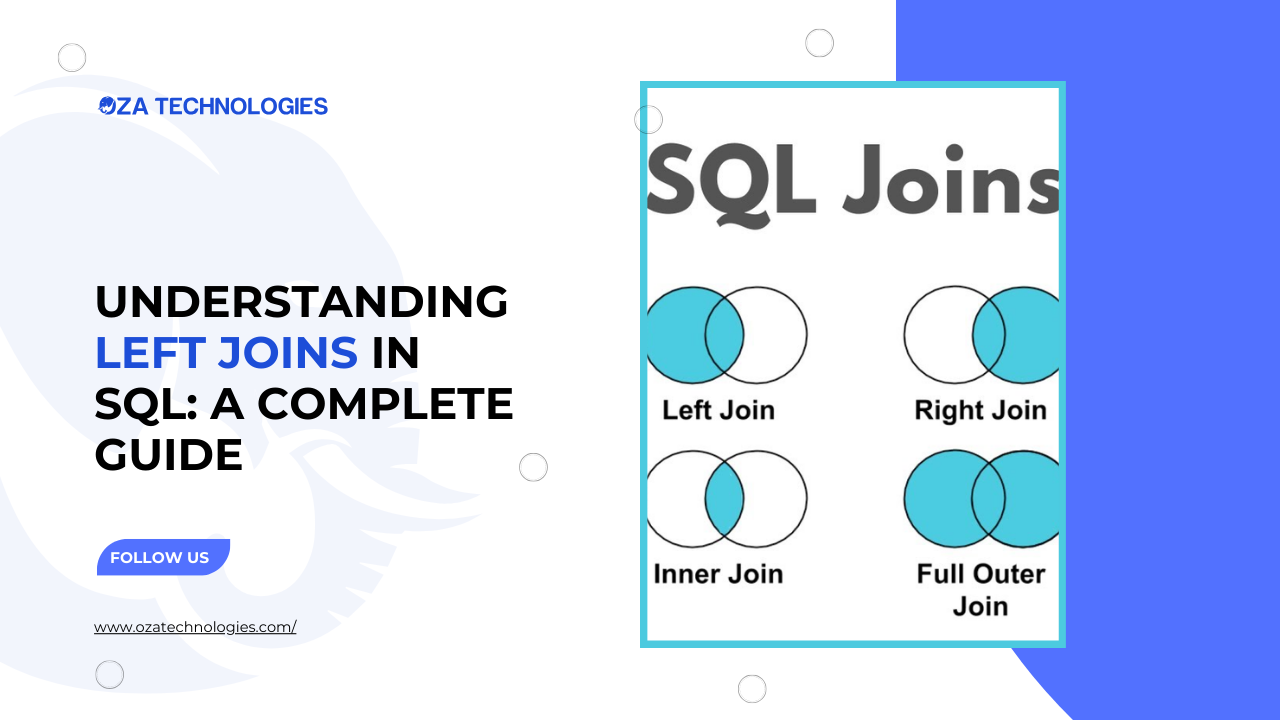
A LEFT JOIN (also called LEFT OUTER JOIN) returns all records from the left table and the matched records from the right table. If there's no match, the result will still include the row from the left table, but with NULL values for columns from the right table.

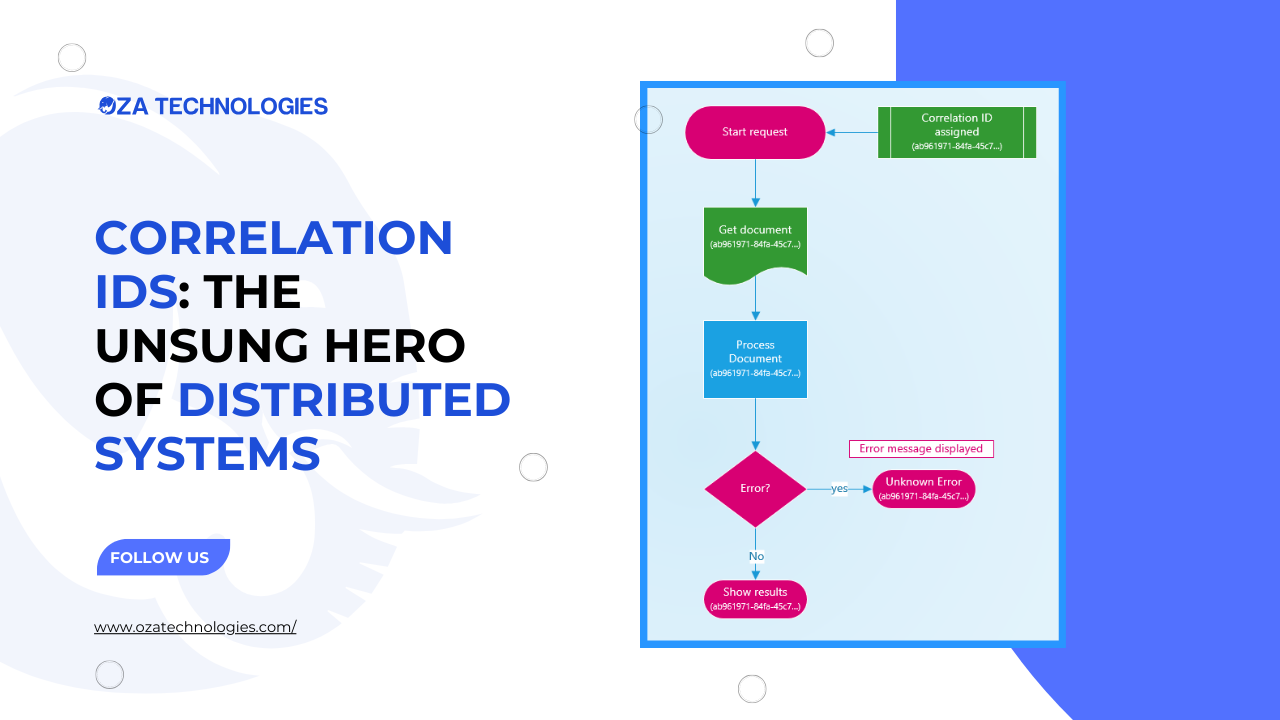
In the world of distributed systems, where requests traverse multiple services and components, understanding the flow of a request can be challenging. This is where correlation IDs come into play—a simple yet powerful technique to trace and debug requests across system boundaries.

Have you ever used an app and immediately felt frustrated because it didn't work without an internet connection? Today's users expect their mobile apps to work seamlessly whether they're on a strong WiFi connection, a slow 4G network, or completely offline. This is where offline-first architecture comes in—a paradigm shift that prioritizes local data storage and synchronization to deliver superior user experiences.

Rate limiting is a critical security mechanism that controls how many requests a client can make to your API within a specified time window. Without proper rate limiting, your application becomes vulnerable to abuse, DDoS attacks, and resource exhaustion.

Imagine you're building a JavaScript application that needs to talk to a database. You could write SQL queries as strings, but that gets messy fast. Knex is like having a translator that converts clean JavaScript code into proper SQL queries.

Picture this: A user lands on your e-commerce dashboard. Instead of staring at a loading spinner for 3 seconds while everything loads, they immediately see the header, then the navigation appears, followed by product cards streaming in as they're ready. This isn't magic—it's the power of Server Components combined with Suspense.

Picture this: You're building a house. Would you start by constructing entire rooms, or would you first ensure you have quality bricks, mortar, windows, and doors? Just like in construction, building scalable frontend applications requires starting with the smallest, most fundamental pieces and combining them into increasingly complex structures.

In an era of information overload and rapid technological innovation, the Perplexity Comet Browser stands apart as an AI-native web platform crafted for the next generation of human-Internet interaction. Launched in May 2025, Comet is designed to revolutionize not just how we browse, but how we learn, think, build, and act online—making it a compelling tool for developers of all backgrounds.